
Hip replacement surgery in Turkey
orthopedic and traumatology
When a hip joint has worn out
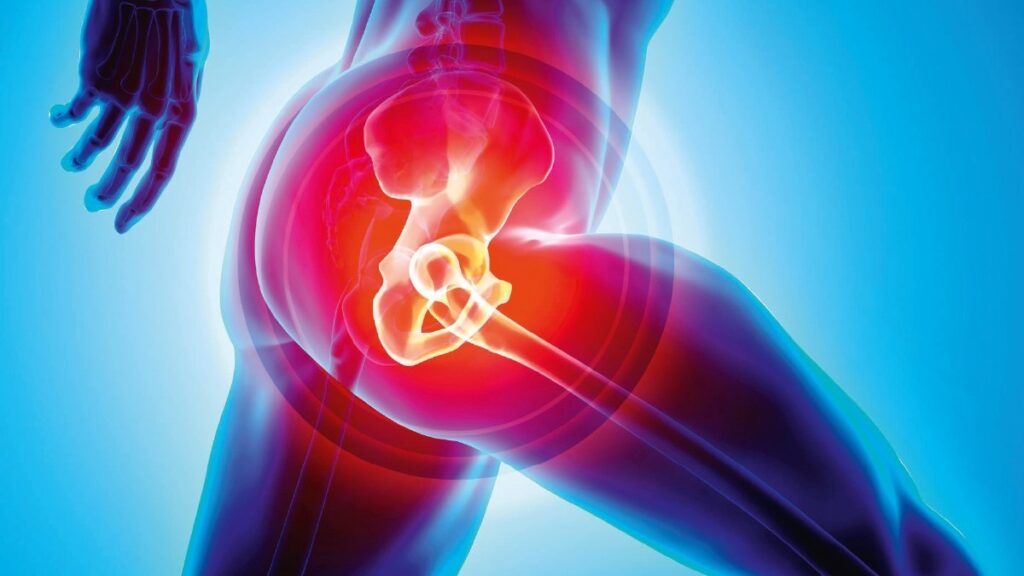
A hip replacement is considered when the joint has worn to the point that pain and stiffness limit ordinary life — walking, sleeping, putting on shoes. It is one of the most reliable operations in orthopaedics, and also one of the biggest. This page covers what it involves, what recovery actually looks like, and what to plan for if you are travelling from abroad.
What is a hip replacement?
The hip is a ball-and-socket joint. In a total hip replacement, the worn ball at the top of the thigh bone and the damaged surface of the socket are both removed and replaced with artificial components made of metal, ceramic and hard-wearing plastic.
Most people who have it are being treated for osteoarthritis. It is also done for rheumatoid arthritis, for avascular necrosis where the bone loses its blood supply, and after some fractures.
Is it right for you?
Hip replacement is usually considered when:
- Hip pain limits what you can do during the day and wakes you at night
- Walking distance has reduced, or you have started using a stick
- Painkillers, physiotherapy and injections are no longer controlling it
- X-rays show the joint surface has worn
It may not be the right time if:
- The pain is manageable and still responds to non-surgical treatment
- You have an active infection anywhere in the body
- You smoke, and are not able to stop before and after surgery — smoking raises the risk of wound problems and infection
- There are health conditions that make a long operation and a general or spinal anaesthetic unsafe
Whether surgery is appropriate for you is a decision for the surgeon after examining you and reviewing your X-rays.
How the operation works
- Usually done under spinal anaesthetic, with sedation if you prefer, rather than a general anaesthetic
- Takes around one to two hours
- The surgeon reaches the joint from the back or the front of the hip, depending on your anatomy and their assessment
- Expect two to four nights in hospital
- You will usually be helped to stand and take a few steps the same day or the day after
The surgeon will explain which approach applies to you and why, before you travel.
Surgery without a blood transfusion
Hip replacement involves more blood loss than most operations, which is why it comes up so often for patients who do not want a transfusion.
Some patients decline donor blood for religious reasons, Jehovah’s Witnesses most often. Others want to avoid a transfusion because of its risks, or would rather their own blood was conserved. Either way, this has to be planned before you travel, not discussed on the ward.
What is possible depends on the procedure and on your own health, including your haemoglobin level, and it is a conversation with the medical team. We cover this in more detail on our pages about bloodless surgery and bloodless orthopaedic surgery.
Recovery
- Day of surgery or the day after: standing and taking the first steps with a frame or crutches
- First two weeks: walking short distances, stairs with help, swelling and bruising around the thigh
- Two to six weeks: crutches gradually reduced; most people move to one stick, then none
- Six weeks: usually able to drive again, once you can perform an emergency stop
- Desk work: around six weeks. Physical work takes longer.
- Full benefit: three to six months, with continued improvement up to a year
Physiotherapy is part of the recovery, not an optional extra. You will be given exercises before you leave hospital and they need doing at home.
Flying home after a hip replacement
This needs planning, and it is the part most often glossed over.
Major surgery on the leg raises the risk of blood clots, and sitting still on a flight adds to that risk. Your surgeon will tell you when it is safe to fly and what precautions to take: blood-thinning medication, compression stockings, moving and walking regularly during the journey.
Plan to stay in İzmir considerably longer than you would for facial surgery. We will not book your return flight for a date your surgeon has not agreed to.
Risks to be aware of
Every operation carries risk. For hip replacement these include:
- Blood clots in the leg or lungs — the reason for blood-thinning medication afterwards
- Infection, which in some cases means further surgery
- Dislocation of the new joint, particularly in the first months
- A difference in leg length, usually small
- Nerve injury, and numbness in the skin around the scar
- Fracture of the bone during the operation
- Loosening or wear of the implant over time
- The possibility of revision surgery later
Your surgeon will go through the risks that apply to your case before you agree to anything.
How long does a hip replacement last?
Modern hip replacements commonly last fifteen to twenty years or more, but they are mechanical parts and they do not last forever. The younger and more active you are at the time of surgery, the more likely it is that you will need a revision at some point.
This is worth discussing with the surgeon rather than assuming, particularly if you are under sixty.
What the package includes
Included
- An online consultation with your Aegean Beauty coordinator before you travel
- Review of your X-rays and medical reports by the surgeon before you commit
- An in-person consultation and pre-operative tests on arrival
- The operation, the implant and the anaesthetic
- Hospital stay as required by your surgeon
- Hotel accommodation for the rest of your stay
- Breakfast at the hotel and all meals during your hospital stay
- Airport, hotel and hospital transfers
- Medication
- Physiotherapy during your stay
- Turkish–English and Spanish interpreting
- Follow-up contact after you return home
Not included
- Flights
- Other meals and personal spending
- Physiotherapy after you return home, which you will need
- Any further surgery, if it is needed later
- Treatment for complications after you return home
- Extra nights in İzmir if your surgeon asks you to stay longer
Cost
The cost depends on which implant your surgeon recommends, whether one hip or both are being replaced, how long you need to stay, and what your own health requires in the way of pre-operative work. For that reason we quote each case individually rather than publishing a single price.
Send us your X-rays and reports and we will come back with a written quote covering everything listed above.
Who performs it
We are not a hospital and we do not employ surgeons. We work with orthopaedic surgeons and hospitals across İzmir, and we match you with the one whose experience fits your case — including, where it applies, experience with patients who decline a blood transfusion.
You are told who will operate on you, and where, before anything is booked. You can see the surgeons we work with most often on our Our Doctors page.
Talk to us about your case
Send us your hip X-rays and any reports from your own doctor, and tell us how the pain affects you day to day. If a blood transfusion is something you want to avoid, say so in your first message — it changes how the case is planned.
We will come back to you with what is likely to be possible, who we would suggest, how long you should expect to stay, and a written quote.
There is no charge for this and no obligation.
- +90 532 429 47 14
- +90 532 429 47 14
-
aegeanbeautyizmir@
gmail.com